
How to choose a carpenter in Fontvieille for a durable renovation?
Choosing a carpenter in Fontvieille provides a clear assessment of the building before work begins. In Fontvieille, every project should combine protection, durability and respect for local architecture. In this part of Provence, roofs face strong sunshine, the mistral and occasional heavy rain. Temperature changes also place stress on tiles, joints and roof connections. A careful survey therefore helps select the right work without replacing sound elements unnecessarily.
Start with a complete roof survey
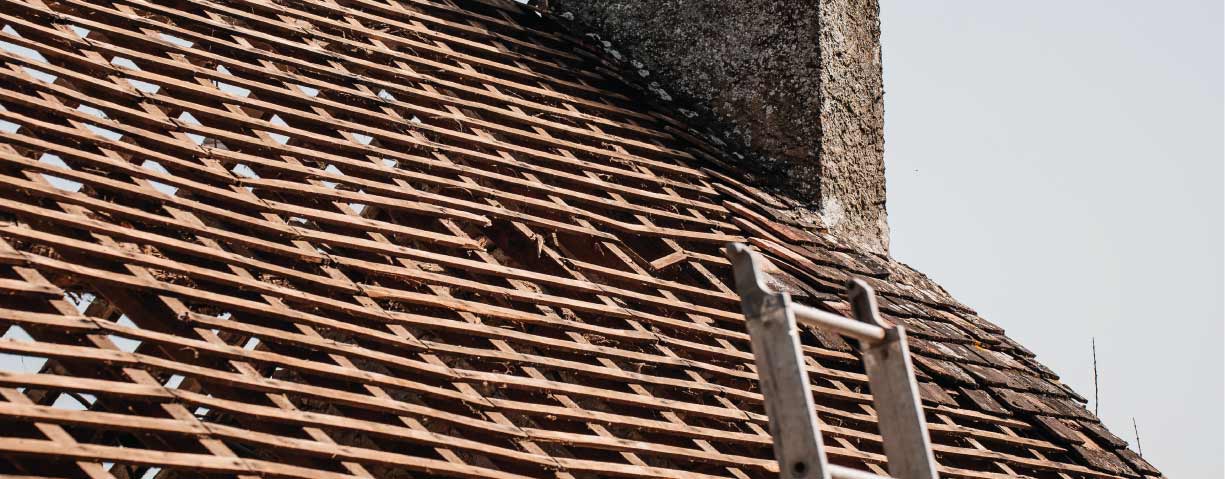
The carpenter examines tiles, ridges, verges, valleys, flashings and gutters. The survey looks for broken materials, movement and signs of moisture. Visible supports and ventilation are also checked. This first stage separates routine maintenance from urgent repairs or a more extensive renovation.
Select compatible materials
Materials must suit the pitch, the supporting structure and the appearance of the property. On an older building, retaining reusable tiles can preserve the roof’s visual balance. New components must remain compatible with the existing construction. Wind resistance, drainage and planning requirements also influence the final choice.
Pay attention to waterproof junctions
Valleys, chimney bases, roof windows and wall junctions require careful detailing. These areas collect or redirect rainwater. Zinc work should guide water without creating pockets. Gutters in zinc, aluminium, PVC or copper complete the system when they are correctly sized, installed and maintained.
Maintain the roof at the right time
Sensible maintenance helps preserve the covering. It may include cleaning, moss removal when required and checks on rainwater outlets. Provence Toiture also offers suitable water-repellent treatments. The surface should always be assessed first, because a coating must not hide porous tiles or weak fixings.
Plan a durable renovation
A lasting renovation considers more than the visible tiles. Timber framing, insulation, zinc work and drainage may all need attention. Coordinating these elements reduces future rework. It also creates reliable connections between the different layers that protect the building.
Plan future maintenance
A new or repaired roof still benefits from routine observation. Keep outlets clear, watch for shifted materials and note any change after exceptional weather. Avoid walking on the covering without suitable equipment and experience. When another contractor installs an aerial, solar panel or ventilation outlet, make sure the new penetration is integrated correctly. Small checks protect the work already completed and make future diagnosis faster.
Prepare the work carefully
Before work starts, roof access, protection of surrounding areas and waste removal should be organised. The programme must allow for weather and any product drying times. In Fontvieille, careful preparation reduces disruption and protects occupants. The quotation should identify materials, work areas and included operations. Regular communication then makes progress easier to understand and helps resolve unexpected findings.
Respect the building and local rules
Planning rules may control the external appearance of a roof. Prior permission may also be required depending on the work and the location of the property. Owners should confirm these points with the local authority before work begins. This is especially important when changing materials, openings or the overall appearance. A contractor can provide technical information, while approval always relates to the individual project.
Check the completed work
At completion, inspect junctions, fixings and rainwater drainage. Surrounding areas should be clean, and replaced components should be clearly identified. Keep the quotation, invoice and insurance documents. Photographs provide a useful record for future maintenance. Finally, ask how often the roof should be checked, taking account of materials, exposure and the type of work completed.
How should you choose a professional?
Request a detailed quotation, valid ten-year insurance and clear explanations of the proposed solution. Relevant experience matters, especially on traditional buildings. Provence Toiture is a craft company founded in Fontvieille. It has more than twenty years of combined experience and Qualibat certification, reference 2392, for traditional timber-frame and heritage restoration work.
When should you request an inspection?
Do not wait for a major leak. Arrange a check after a storm, when tiles move, when moisture marks appear or when the roof line changes. A survey is also useful before buying a property, converting an attic or improving insulation. Early action can reduce the cost and extent of repairs.
Support for your roofing project
For a project involving carpenter in Fontvieille, Provence Toiture can assess the covering, timber frame, zinc work, gutters or flat-roof waterproofing. The company offers tailored support and a free quotation. Contact the team to arrange a survey and define a solution suited to your property in Fontvieille.
Frequently asked questions
Does the whole roof need replacement? Not always. A survey determines whether a targeted repair is sufficient. How long does work take? Timing depends on area, access, substrate condition and weather. Why check gutters? Poor drainage can wet external walls and weaken roof edges.