
Roofer in Cavalaire: solutions for old and modern roofs
A roofer in Cavalaire works on roofs built with very different systems. Some houses retain older tiles and traditional supports. Others use modern underlays, ventilation and efficient insulation.
Each roof therefore needs a suitable method. The coastal climate creates additional demands. Wind, sunshine, heavy rain and marine air all influence the selected repair.
Survey the roof before selecting a solution
The survey begins outside. The roofer examines the pitch, tiles, verges and ridge. Cracks, displacement and evidence of previous repairs also receive attention.
Accessible roof spaces are then inspected. Timber, underlay and insulation provide essential information. A damp mark may reveal a problem that cannot be seen from outside.
This assessment separates a local weakness from general deterioration. It prevents the same intervention from being proposed for every property. The quotation reflects the roof’s actual condition.
Repair an old roof while retaining its character
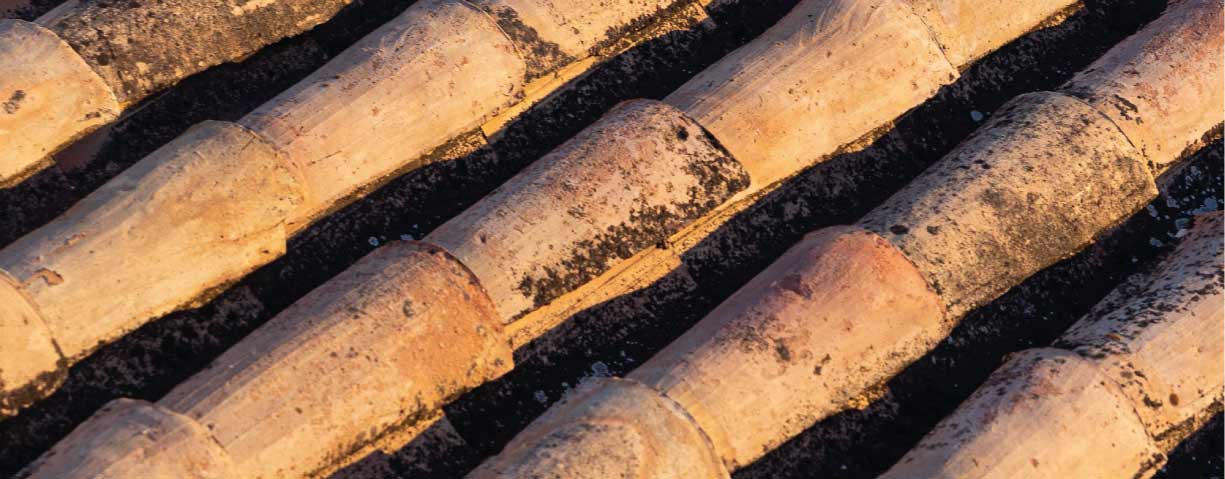
Older coverings often display varied tile colours that contribute to the house’s identity. Careful removal allows sound pieces to be recovered.
The roofer sorts tiles according to strength and porosity. The best pieces return to visible slopes. Compatible replacements complete the covering without disrupting its appearance.
Traditional supports must also be respected. An excessively rigid repair may react poorly to normal movement. Junctions therefore require compatible materials and accurate workmanship.
Work with the complete system on a modern roof
A modern roof usually combines several layers. Tiles, underlay, ventilation and insulation operate together. An isolated intervention can disturb this balance.
The roofer checks underlay continuity and airflow routes. Fixings are compared with the manufacturer’s requirements. Replacement materials must retain the correct profile and overlap.
Around roof windows or outlets, peripheral flashings remain critical. They should guide water onto the slope. Correct installation protects every layer below.
Distinguish condensation from leakage
Damp marks do not always indicate a broken tile. Insufficient ventilation can create condensation below the covering. Moisture may then appear during particular seasons.
The professional compares the marks with the conditions in which they develop. Air inlets and outlets are also checked. This distinction ensures that the true cause is treated.
Strengthen areas exposed to wind
In Cavalaire, wind places pressure on roof edges and high points. A moving tile can lift and weaken neighbouring pieces. Verges and ridges therefore need regular checks.
Fixings should match both the tile and the property’s exposure. Metal components and accessories also require inspection. Targeted work improves resistance without adding unnecessary weight.
After strong winds, inspect the roof safely from the ground. A change in alignment deserves prompt attention. Early action reduces leakage during the next rainfall.
Reduce the effects of sunshine and marine air
Strong sunshine creates major temperature changes. Materials expand during the day and contract at night. Repeated movement can fatigue joints and flashings.
Marine air may accelerate deterioration of unsuitable metal components. Fixings, gutters and metalwork require particular attention. Their materials must suit the coastal environment.
Regular maintenance identifies early oxidation or distortion. Replacing one small component can protect a much larger area. Preventive work extends the roof’s service life.
Drain sudden heavy rainfall effectively
A storm can deliver substantial water within minutes. Gutters, downpipes and valleys must remain clear. A small accumulation of leaves may cause overflowing.
The roofer checks drainage falls and joints. Areas where water can stagnate are also identified. An undersized gutter may need an appropriate upgrade.
Flashings around walls and chimneys complete this protection. They direct rain away from vulnerable junctions. Cracking or separation requires prompt repair.
Choose between repair and renovation
Repair is suitable when most of the covering remains sound. Broken tiles or defective flashing can often be treated separately. The supporting layers must still be reliable.
Partial renovation helps when several defects affect one slope. It provides access to battens and underlay. Reusable materials can then be refitted.
Complete renovation responds to widespread deterioration. It coordinates covering, ventilation, insulation and metalwork. The survey should clearly explain why this solution is necessary.
Choose a roofer in Cavalaire
A precise quotation separates retained, replaced and new materials. It also describes junctions, fixings and drainage. Finally, check the contractor’s valid ten-year insurance.
Provence Toiture undertakes roofing, timber-frame, metalwork and gutter projects. Each intervention reflects the roof’s type and age. Coastal exposure also forms part of the assessment.
Request a survey before committing to work. You can then select a genuinely justified repair or renovation. Your roof will retain its appearance while providing lasting protection. Planned inspections can subsequently track exposed areas and identify minor defects before coastal weather turns them into extensive damage.