
Roofer in Maussane-les-Alpilles: solutions for stone houses
A roofer in Maussane-les-Alpilles often works on stone houses, traditional farmhouses and historic buildings. On these properties, the roof protects more than the interior. It also preserves walls, renders and construction details that give the building its Provençal character.
Terracotta tiles, decorative eaves and roof projections must work with the existing masonry. A poorly designed repair may direct water towards the façade. A coherent intervention protects the stone without changing the building’s architectural balance.
Why do stone houses require special attention?
Older walls manage moisture differently from modern construction. They need to dry after rainfall. A roof leak, defective gutter or cracked flashing may keep masonry damp. Staining, weakened joints and detached render can then develop.
A survey should therefore extend beyond the tiles. The roofer examines connections between roof and walls, including verges, chimney bases, valleys and outlets. This complete view helps identify the true route of rainwater.
Protect connections between roofing and masonry
Flashings seal the point where a covering meets a wall or chimney stack. On an older building, the substrate may be uneven. The detail must follow these forms while allowing water to drain freely.
A small crack or separation may cause a leak. The roofer removes defective sections, prepares the substrate and creates a compatible repair. The detail should also accommodate normal building movement without cracking again.
Preserve traditional tiled eaves
A génoise is a projecting eave formed from courses of masonry tiles. It defines the roof line and keeps some rain away from the façade. When cracks develop, water may reach the masonry or enter behind the render.
Repair requires coordination between roofing and masonry. Tiles should retain a balanced alignment, while upper junctions must prevent water entry. The feature can therefore keep its appearance and continue protecting the wall.
Inspect verges exposed to the mistral
In Maussane-les-Alpilles, the mistral places pressure on roof edges. A loose verge can move and admit wind-driven rain. The first tiles on each slope require careful inspection.
The roofer checks stability, overlap and the lateral finish. A discreet repair may be enough when the support remains sound. Extensive deterioration needs a more complete renewal.
Select and reuse tiles carefully
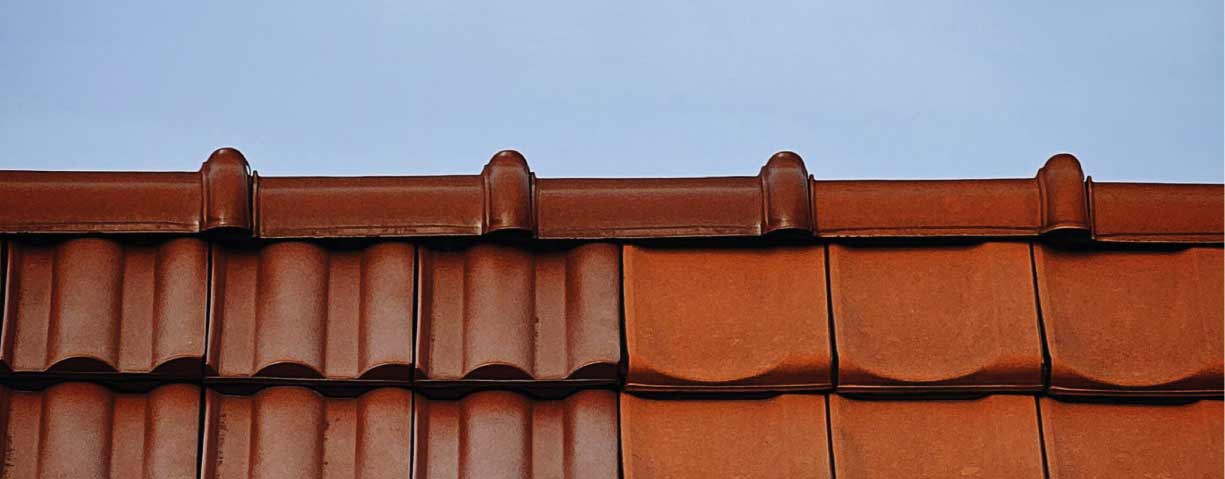
The varied colours of an older covering contribute to the charm of a stone house. During renovation, sound tiles may be retained. The roofer sorts each piece, removes cracked materials and assesses porosity.
Recovered tiles can return to visible areas, with compatible pieces completing the covering. Profile, overlap and wind resistance remain essential. Appearance must never reduce the building’s protection.
Prevent gutters from wetting façades
A gutter collects water and directs it towards a downpipe. If it leaks or overflows, water runs across stone and mortar joints. Prolonged moisture encourages staining and deterioration of external finishes.
Inspection covers falls, joints, brackets and outlets, while leaves and debris require removal. Zinc, aluminium, copper or PVC may suit different properties. Correct sizing and careful integration remain crucial.
Ventilate the roof while controlling air movement
An old house needs effective moisture management. Below the covering, ventilation reduces condensation and helps timber remain dry. It should be planned rather than created by uncontrolled gaps.
During renovation, the roofer coordinates covering, underlay and insulation. Air inlets and outlets must suit the roof shape. This design protects the frame and supports indoor comfort.
Inspect the timber frame before closing the roof
An older leak may have affected rafters, purlins or battens. Before tiles are refitted, the professional looks for softened wood, distortion and insect traces. Local repairs are separated from more extensive reinforcement.
This step prevents a defect from being hidden below a new covering. It also adapts supports to the selected materials. The completed roof therefore rests on a stable structure.
Respect the architecture of Maussane-les-Alpilles
Tile colour, eave profiles and roof openings affect external appearance. Planning rules may control these choices depending on the property’s location. Authorisation can be necessary before a visible change.
Owners should check requirements before work begins. Local conditions can then be included within the quotation, avoiding materials that conflict with the approved project.
Choose a roofer in Maussane-les-Alpilles
A clear quotation identifies work areas, retained materials and planned repairs. It should explain how junctions with stone, tiled eaves and drainage will be treated. Valid ten-year insurance documentation is also essential.
Provence Toiture carries out roofing, timber-frame, metalwork and gutter projects. Request a complete survey for your stone house. The resulting work can protect the roof, façade and masonry within one coherent project. Regular follow-up inspections will then help identify minor movement before moisture reaches the building’s older materials.